
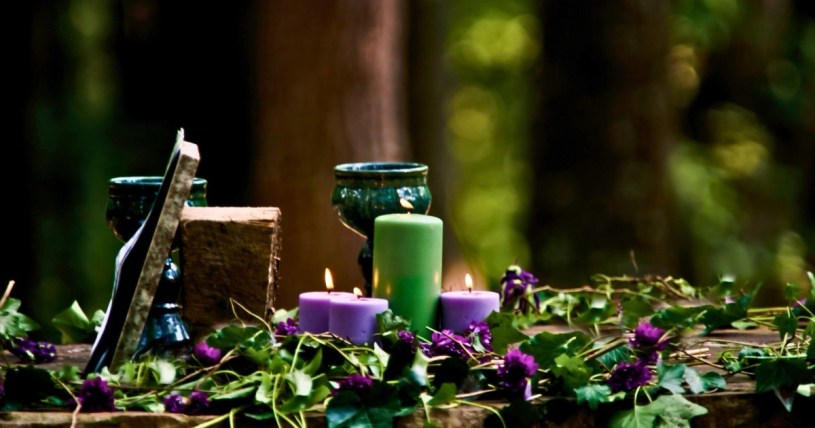
There is something different about Ireland at the Summer Solstice.
What Defines the Summer Solstice?
Perhaps it is the way the evening seems reluctant to end? Or the golden light lingering over stone walls and distant hills, long after the hour of darkness should have arrived.
Perhaps it is the scent of wildflowers carried on a warm breeze, or the hum of bees among the foxgloves and fuchsia. Or perhaps it is something older still – a memory carried in the landscape itself.
In the Footsteps of Our Ancestors
Long before churches rose across Ireland and long before written history found its way to these shores, our ancestors looked to the sky and marked the turning of the seasons.
They watched the movements of the sun with reverence, understanding that their survival depended upon its warmth and light. The Summer Solstice, the longest day of the year – was one of the most important moments in their calendar.
Even now, more than a thousand years later, it is difficult not to feel a sense of wonder as the sun reaches its highest point in the heavens.
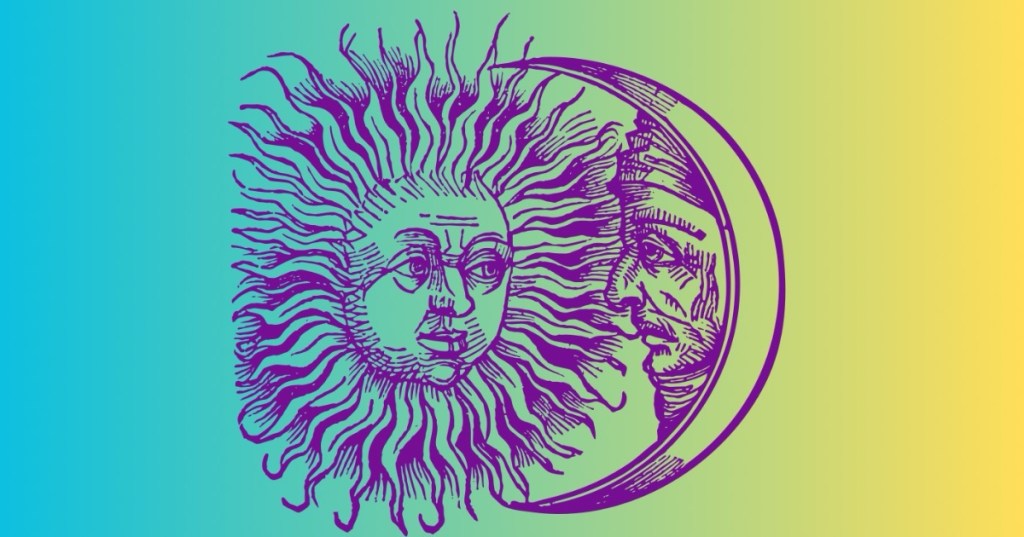
Across Ireland, ancient monuments stand as silent reminders of this connection between the earth and the sky. While Newgrange is rightly celebrated for its Winter Solstice alignment, many lesser-known sacred sites also reveal the astronomical knowledge of those who built them.
Stone circles, standing stones, hilltops and ceremonial landscapes all seem to whisper of a time when the boundaries between humanity, nature and the spirit world were far less defined than they are today.
Community and Agriculture
The Summer Solstice was a time of abundance. The crops were growing, livestock thrived on rich pasture and the harshness of winter was a distant memory. Fires were lit on hilltops, communities gathered, and blessings were sought for the months ahead.
Yet in true Irish fashion, there was always a recognition that light and darkness are inseparable companions.
For while the Solstice marks the triumph of light, it also signals the moment when the days begin their gradual decline towards winter. Even at the height of summer, our ancestors understood that change was already underway. The wheel had turned once more.
Perhaps that is why Solstice traditions often feel bittersweet. They celebrate not only abundance but impermanence. The longest day reminds us that nothing remains unchanged forever – not joy, not sorrow, not prosperity, nor hardship.
Thinning of the Veil
For those of us drawn to Ireland’s folklore and mysteries, the Solstice carries another significance. Many believed that certain times of the year thinned the veil between worlds. While Samhain remains the most famous of these liminal periods, Midsummer too possessed its own enchantment.
In folklore, sacred wells were visited for healing, protective herbs were gathered beneath the Solstice sun, and charms were created to safeguard homes and livestock.
It was said that plants harvested at Midsummer possessed heightened powers and that dew collected on Solstice morning could bring beauty, health and good fortune.
Fairies and Superstition
The faeries, too, were never far from people’s thoughts.
In rural Ireland, respect for the Good People was woven into everyday life. Fairy forts were avoided, lone hawthorn trees left untouched and certain places treated with caution, particularly during significant points in the Celtic year.
Whether these beliefs were born of superstition, spiritual experience or simple respect for nature, they reflected a deep understanding that not everything in the world could be explained.
Standing in an Irish field on a Solstice evening, watching the last rays of sunlight paint the horizon gold, it is easy to understand why.
The modern world has given us many things, but it has also distanced us from the rhythms that guided countless generations before us. We rush from one obligation to the next, often forgetting to pause and notice the changing seasons unfolding around us.
Embracing the Turning of the Wheel
The Solstice offers an opportunity to do exactly that.
To step outside.
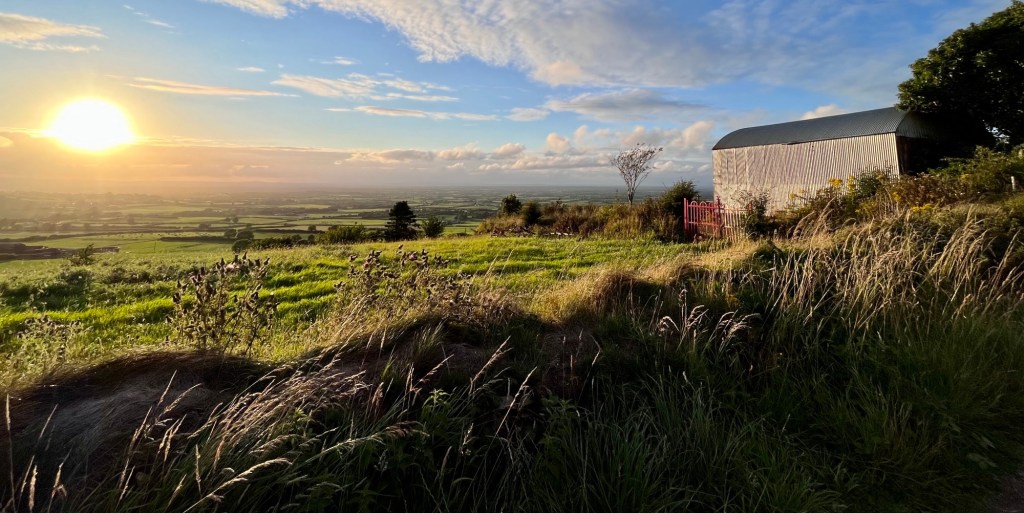
To feel the warmth of the sun on your face. To listen to birdsong drifting across the countryside. To watch shadows lengthen as the day slowly surrenders to night.
And perhaps, if only for a moment, to reconnect with something ancient and enduring.
Because here in Ireland, the old ways never truly disappeared. They linger in our folklore, our traditions and our landscapes. They whisper from ruined stone circles and lonely hillsides. They live on in stories passed from one generation to the next.
And on the longest day of the year, when the land basks in sunlight and the evening seems endless, those whispers feel just a little easier to hear.
May the sun warm your face, the earth steady your feet, and the old stories never cease to whisper in your ear.

