
Birth of an Icon – Bram Stoker
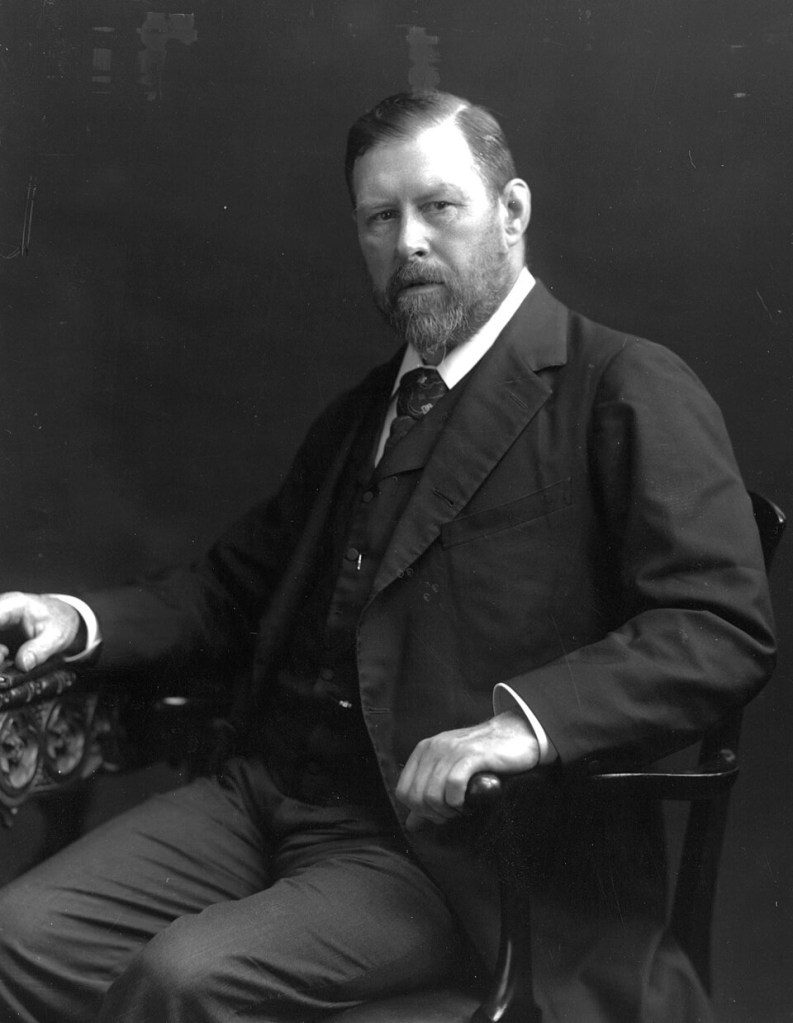
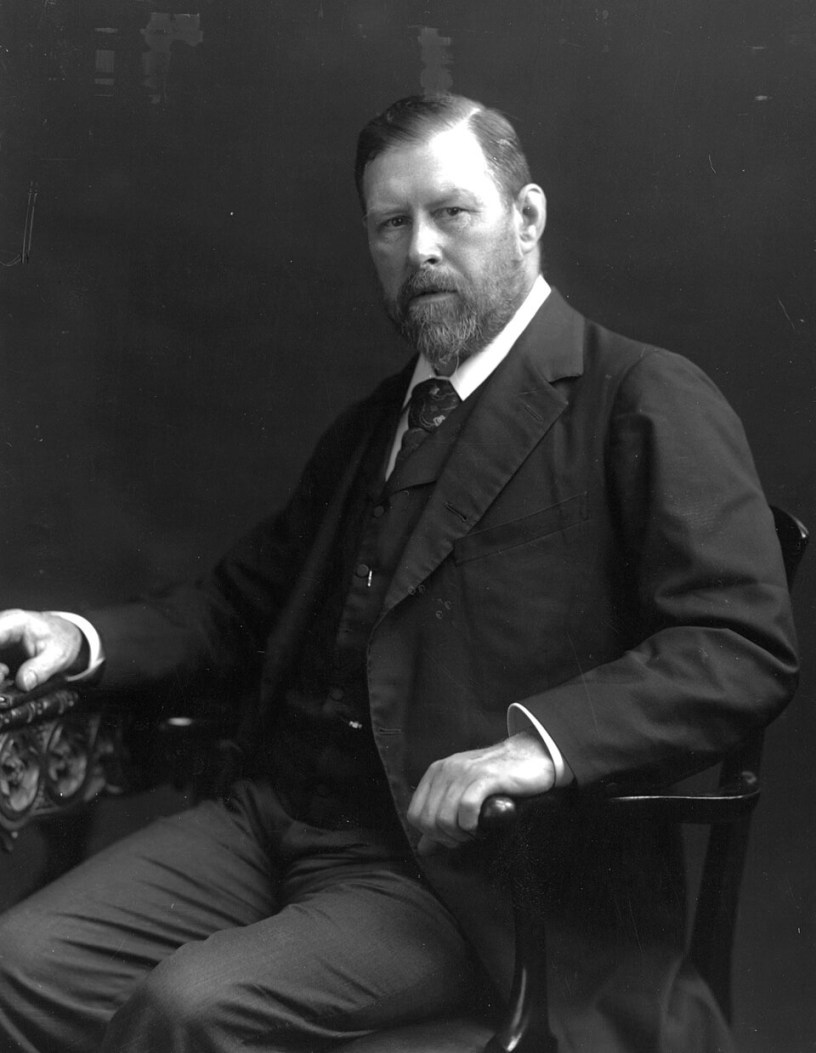
Bram Stoker (1847–1912), author of Dracula. Photograph circa 1906. Public domain, via Wikimedia Commons.
Before there was Dracula, there was a sickly little boy in Clontarf, a mother haunted by death in Sligo, a Dublin castle steeped in history and a mysterious stranger living among the ruins of a Kerry abbey. On the anniversary of Bram Stoker’s birth, Dark Emerald Tales ventures into the Irish shadows that helped shape the world’s most famous vampire.
There are some literary creations that transcend the pages on which they were written. They creep into our collective consciousness, becoming so familiar that we almost forget they began as the imaginings of a single individual.
Count Dracula is one such creation.
The aristocratic predator with his ancient castle, unnatural longevity and insatiable thirst for blood, has become synonymous with Gothic horror. His name conjures images of moonlit graveyards, mist-shrouded mountains and the unsettling possibility that death is not always the end.
Yet the man who gave Dracula immortality was not born beneath the Carpathian Mountains. He was an Irishman, born in a Georgian house overlooking the windswept coastline of Dublin Bay.
While Transylvania provided the setting for his greatest literary achievement, the roots of Bram Stoker’s imagination reached deep into the history, folklore and darker corners of Ireland. To understand Dracula, perhaps we should begin not with a vampire, but with a child who could barely leave his bed.
1847 – A Child Born in the Shadow of Death
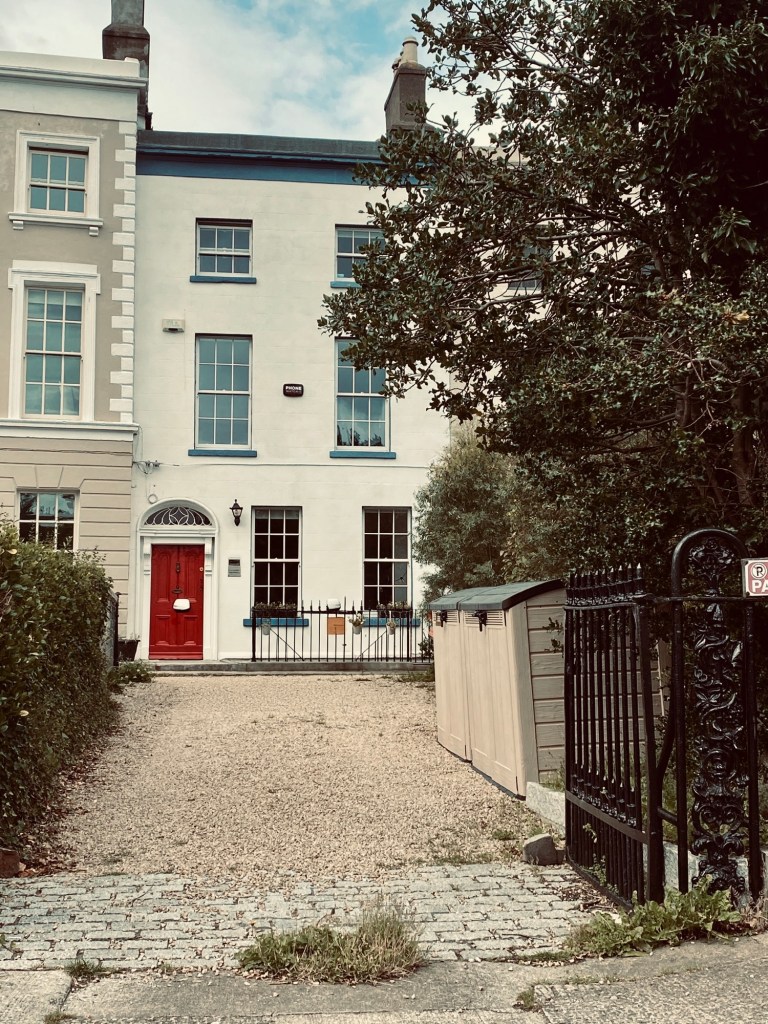
On 8 November 1847, Abraham Stoker, later known to the world as Bram, was born at 15 Marino Crescent in Clontarf, County Dublin.
The year of his birth was known as ‘Black ‘47,’ it was one of the grimmest years in Irish history.
The Great Hunger was devastating the country, bringing starvation, disease, displacement and death on an unimaginable scale. While the Stoker family enjoyed the relative security of a respectable middle-class household, the suffering beyond their doors formed part of the world into which Bram was born.
His father, Abraham Stoker senior, was a civil servant, while his mother, Charlotte Matilda Blake Thornley, was an intelligent, socially conscious woman from County Sligo. Bram was one of seven children, but his earliest years were markedly different from those of his siblings, due to his chronic sickness.
The precise nature of his illness has never been established, but Stoker later recalled that until approximately the age of seven, he had never known what it was to stand upright.
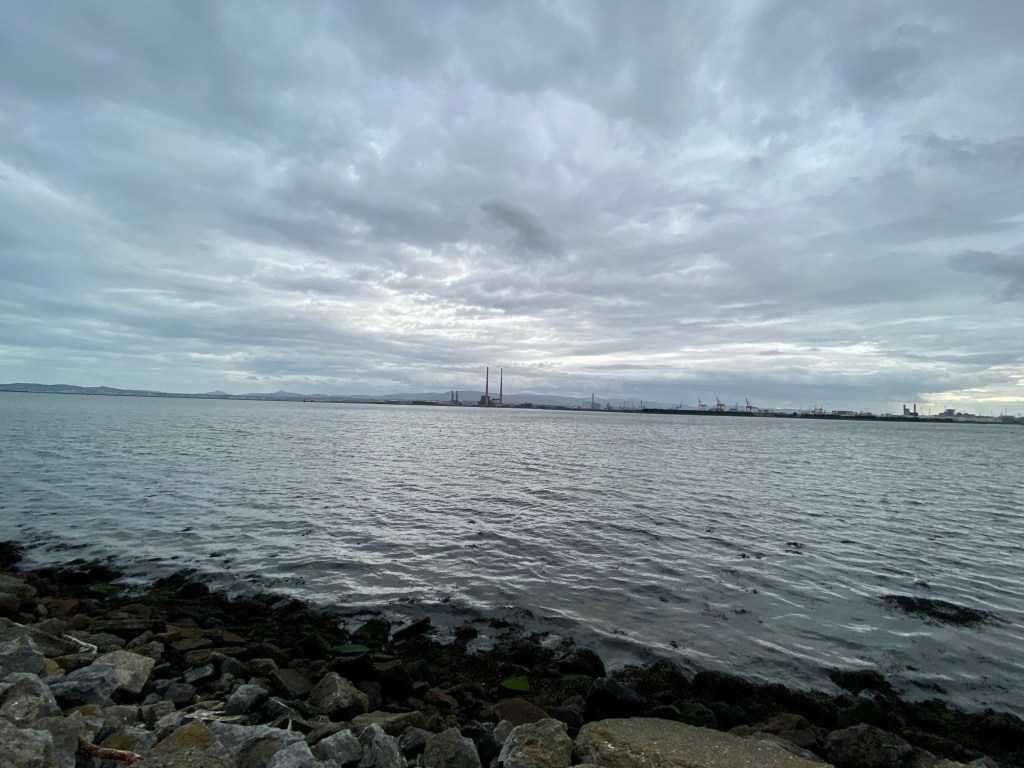
So we had a young boy confined to his bed, the world beyond his window continuing without him. The changing skies over Dublin Bay, the distant sea, the darkness descending upon the family home. In a Victorian household, where childhood mortality was an ever-present reality, serious illness carried a particularly sinister weight – and into that confined world came stories.
Bram’s mother was his storyteller through these dark times. Not gentle bedtime tales of fairies and happy endings, but accounts of death, disease, premature burial and the terrible things that could happen when the living were mistaken for the dead.
Charlotte Stoker and the Horrors of Sligo
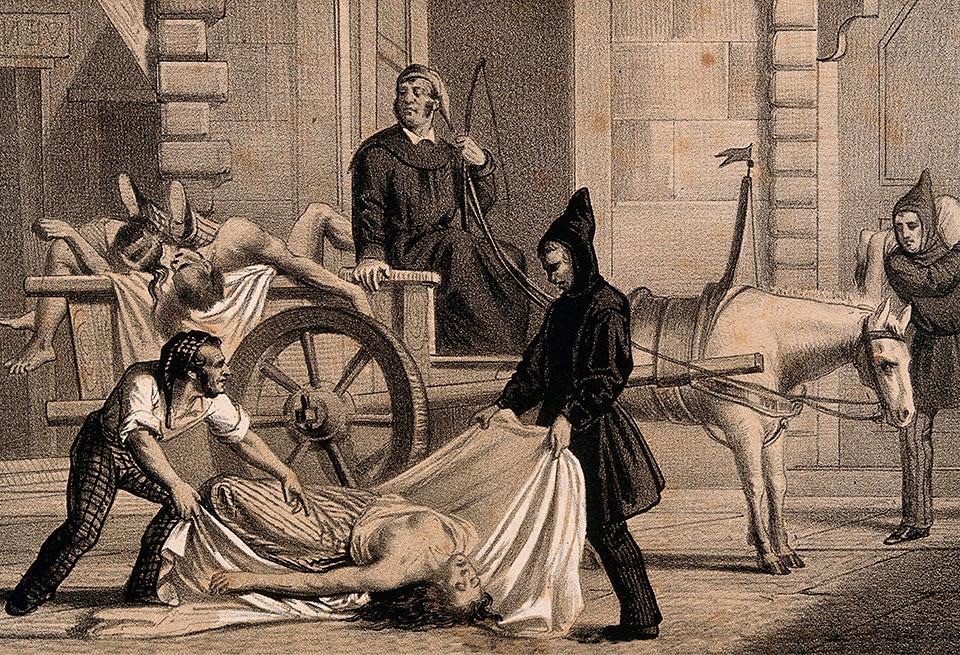
Long before Bram Stoker was born, his mother had witnessed events that would haunt her for the remainder of her life. In 1832, a devastating cholera epidemic swept through Sligo. Charlotte Thornley was still a young girl when the disease descended upon the town, spreading fear through streets and households as residents struggled to understand the sudden and terrifying deaths around them.
Cholera could strike with astonishing speed. Victims might deteriorate rapidly, leaving families facing the possibility of death within hours with panic running rampant. Accounts of the epidemic describe the desperate handling of the dead, the fear of contagion and the breakdown of ordinary funeral customs. Stories of premature burial added another layer of horror to an already traumatised community.
Charlotte survived, but she never forgot. In 1873, she committed her memories to writing in an account entitled ‘Experiences of the Cholera in Ireland.’
Those recollections have since become one of the most intriguing pieces of evidence in the search for Dracula’s origins. What could be more disturbing than the idea of a body being buried before life has truly departed, or the possibility of someone returning from the grave?
The similarities to the anxieties explored in Dracula are striking.The novel repeatedly confronts the uncertainty between life and death. Its victims appear to die, only to return in a horrifying altered state. Coffins become places not simply of eternal rest, but of concealment and unnatural existence.
Modern researchers, including Dr Marion McGarry, have explored the possibility that Charlotte’s experiences influenced her son’s portrayal of vampirism, with the Count himself interpreted as a personification of disease spreading through a vulnerable population.
We cannot know precisely which childhood stories Bram remembered when he began writing his masterpiece decades later. We do know that Charlotte’s memories were real and their presence in the Stoker family is beyond doubt.
Perhaps the first seeds of Dracula were not planted in Transylvania at all. Perhaps they were planted in Sligo, among the fever-stricken streets and hurried burials of 1832.
The Graveyard at St John the Baptist, Clontarf
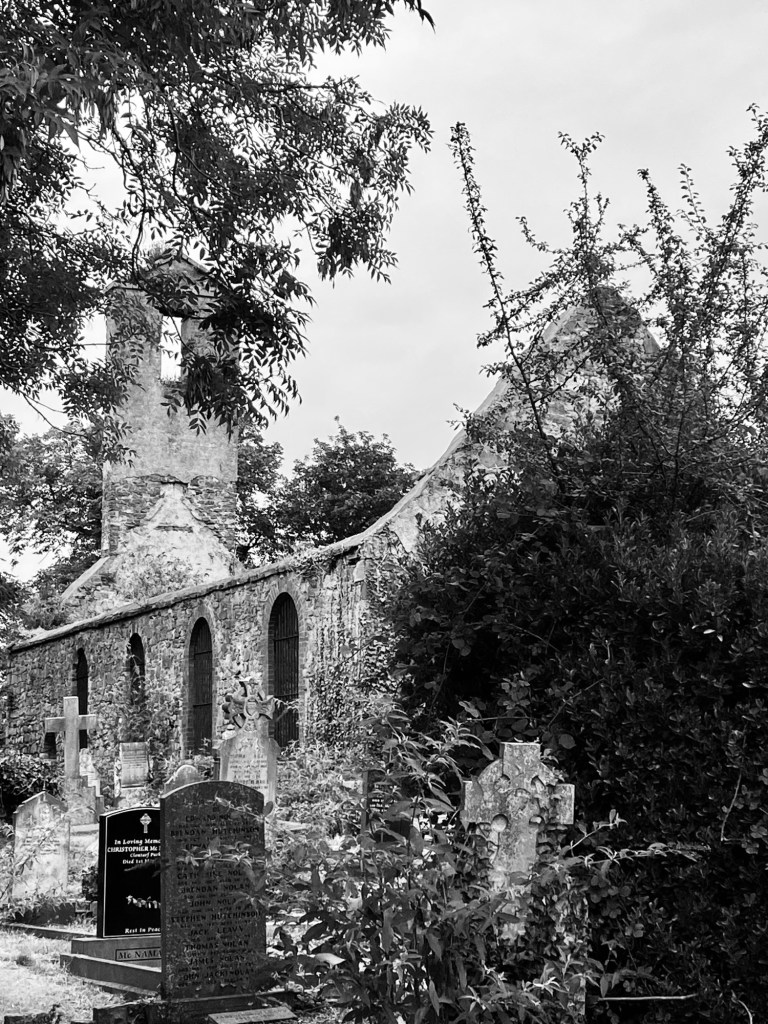
There is another location in Clontarf that connects the infant Bram Stoker to the darker atmosphere of old Dublin. Not far from his birthplace stand the ruins of St John the Baptist Church, surrounded by weathered gravestones and the remains of its historic burial ground.
It was here that Bram was baptised into the Church of Ireland. The old church has long since fallen into ruin, but its surviving walls and grave markers provide an evocative reminder of the Clontarf Stoker knew.
There is something wonderfully Gothic about the setting today. Ancient stones lean beneath the passage of time, vegetation clings to the masonry, and the remains of the church stand among those who have long since departed this world.
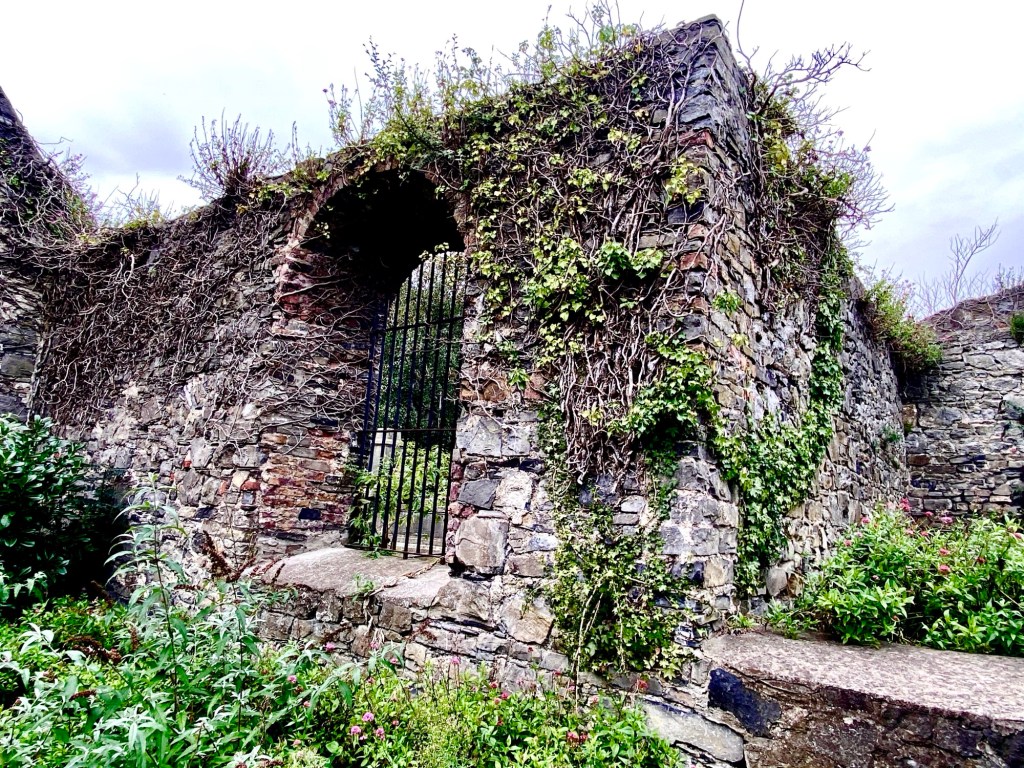
Clontarf itself was no ordinary Dublin suburb. Its history was dominated by the famous Battle of Clontarf in 1014, when the forces of Brian Boru confronted their enemies in one of Ireland’s most celebrated medieval conflicts.
The area also possessed centuries of ecclesiastical history, local legends and associations with the Knights Templar. It is tempting to imagine the young Stoker absorbing the atmosphere of the old churchyard as he grew older.
There is no evidence that this particular graveyard inspired Dracula’s tombs or burial scenes, but it formed part of the historical landscape of his childhood. For a boy whose imagination had already been fed by accounts of the restless dead, it was certainly an appropriate setting.
The Sickly Child Becomes a Trinity Athlete
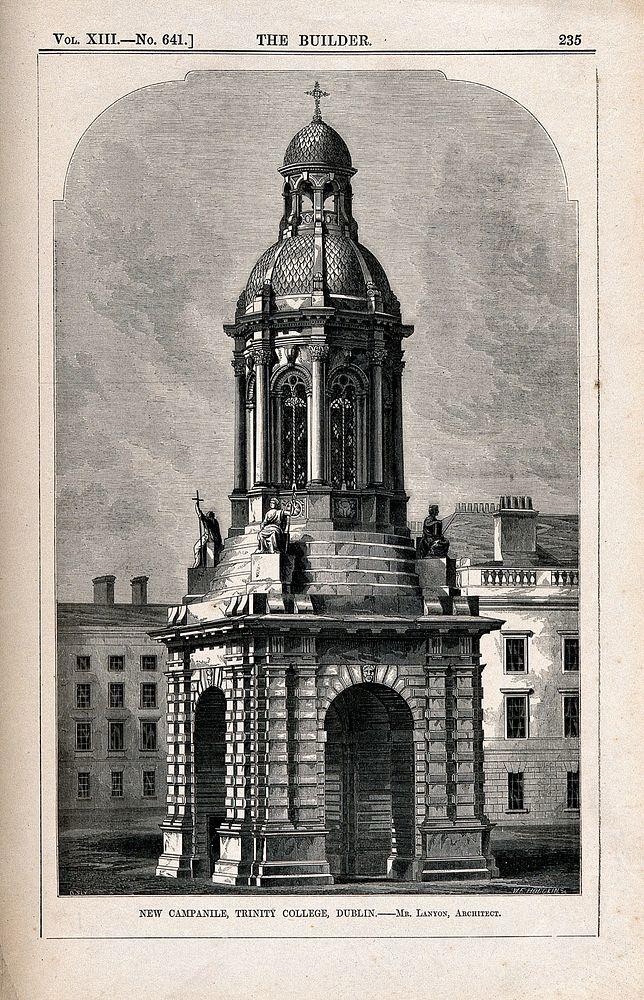
One of the more extraordinary aspects of Bram Stoker’s life was his transformation from a bedridden child into a remarkably strong young man. By the time he entered Trinity College Dublin in 1864, aged sixteen, his childhood frailty had become a distant memory.
He excelled at athletics, participated in university sporting life and developed a reputation for physical strength. The boy who once could not stand upright became an accomplished athlete, which is an almost Gothic reversal of fortune in itself.
At Trinity, Stoker studied mathematics and became deeply involved in student societies, debate and intellectual life. He graduated with a Bachelor of Arts in 1870 and subsequently received a Master of Arts in 1875. He was also developing a fascination with literature, performance and the wider world.
Dublin was a city with a rich, and sometimes disturbing, intellectual history. Its medical schools had once depended upon the procurement of human remains for anatomical study, creating a grim trade in body snatching. Its old streets concealed stories of execution, punishment, disease and supernatural encounters.
For an imaginative young man, there was no shortage of darkness beneath the city’s respectable Georgian exterior – and then there were the books.
Marsh’s Library -Where the Past Waited on the Shelves
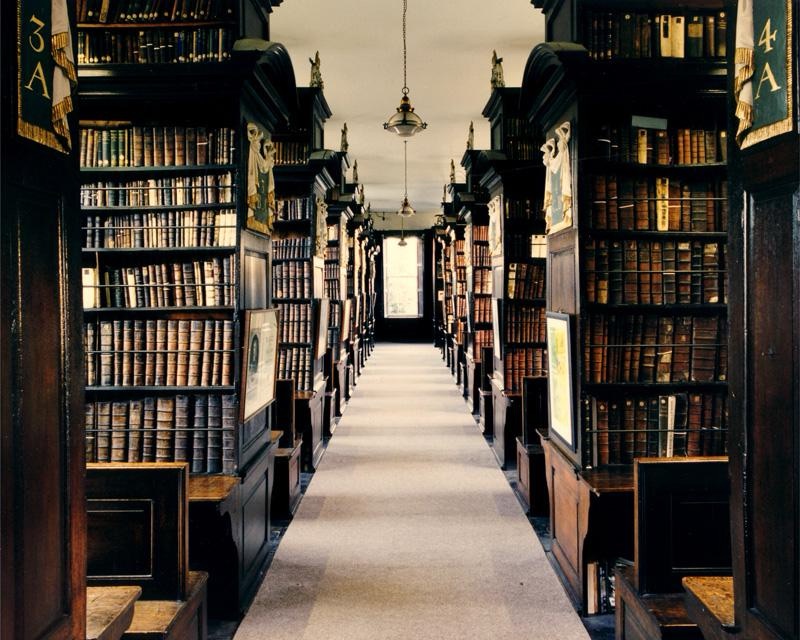
Marsh’s Library, Dublin, in the Victorian era. Bram Stoker consulted books here during the 1860s. Photograph: Francis Frith & Co., Library of Congress.
Established in the early eighteenth century beside St Patrick’s Cathedral, Marsh’s Library was already an atmospheric institution when Bram Stoker visited during his university years.
The library’s surviving records confirm that he consulted books there in 1866 and 1867. Within its historic galleries, surrounded by old volumes and centuries of accumulated knowledge, Stoker explored subjects ranging from literature and fables to geography and other scholarly interests.
The library itself has its own ghostly reputation. Its founder, Archbishop Narcissus Marsh, is traditionally said to haunt the building, searching for a letter associated with his niece. Whether the future creator of Dracula ever heard those particular tales is unknown.
What is certain is that Stoker was a curious and enthusiastic reader. His later research for Dracula would demonstrate an extraordinary appetite for obscure historical and folkloric material.
Bram Stoker was not simply a writer who invented a monster. He was a researcher who gathered fragments of history, superstition and literature, then assembled them into something far more terrifying.
Dublin Castle – A Clerk Among Centuries of Darkness
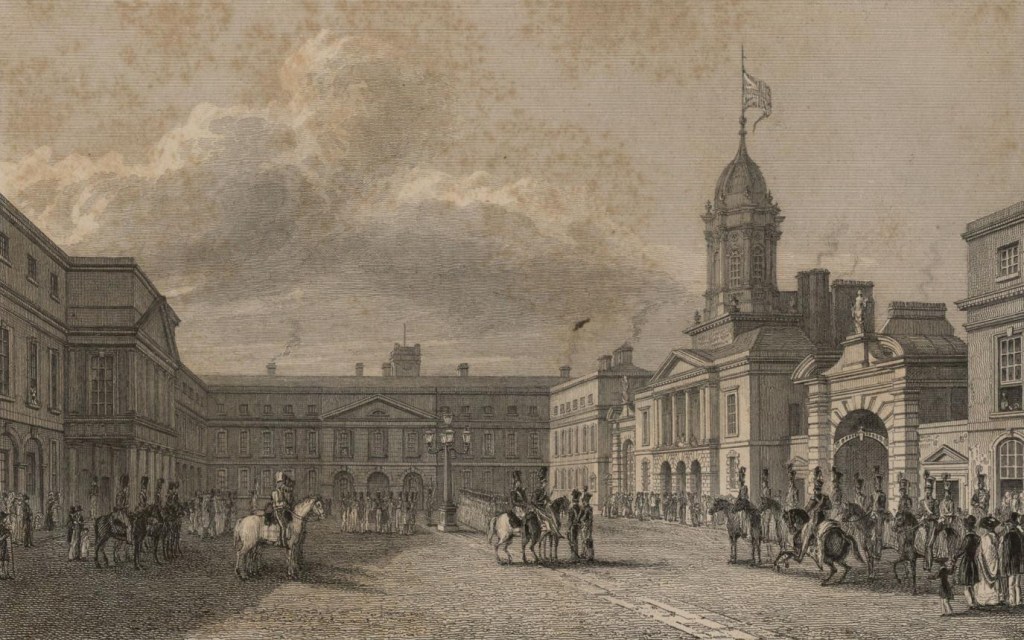
Dublin Castle in 1830, several decades before Bram Stoker began his civil service career. Public domain, via Wikimedia Commons.
Before Bram Stoker became one of the world’s most celebrated Gothic novelists, he followed his father into the Irish civil service. From the 1860s until 1878, he worked within the administrative machinery associated with Dublin Castle, the centre of British government in Ireland.
It was hardly the obvious training ground for a master of supernatural horror. Stoker worked with legal and administrative procedures, eventually holding the position of Inspector of Petty Sessions.
His responsibilities involved the operation and administration of the magistrates’ courts, a world of legal records, regulations, official correspondence and the less glamorous realities of Victorian bureaucracy.
In 1879, he published The Duties of Clerks of Petty Sessions in Ireland, a substantial guide to court administration. Dublin Castle itself was no ordinary office building. Its origins reached back to the early thirteenth century, and its history encompassed imprisonment, political intrigue, rebellion and the exercise of power.
Beneath the formal administration of Victorian Dublin lay centuries of violence and conflict. The castle’s medieval remains and long association with authority provided a striking contrast to the orderly paperwork of Stoker’s working life. It is easy to imagine a young writer leaving his desk and contemplating the darker history of the place around him.
Did its ancient towers, underground chambers and tales of punishment influence the castles and corridors of his later fiction? There is no surviving evidence establishing such a connection.That said, the contrast is irresistible – the future creator of the world’s most notorious vampire spending his days among official documents in one of Ireland’s most historically charged buildings.
And after the day’s work was done, Stoker pursued a very different passion, that of the theatre.
Sheridan Le Fanu – The Irish Vampire Who Came Before Dracula
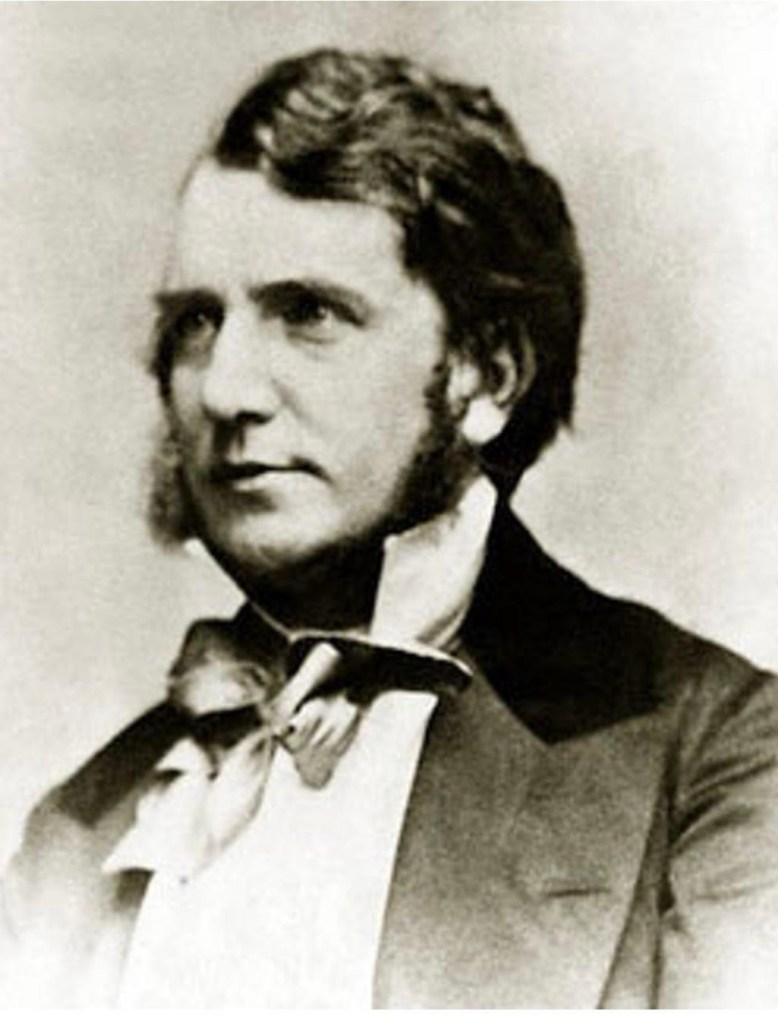
Joseph Sheridan Le Fanu, Irish Gothic novelist and author of Carmilla (1872). Public domain, Wikimedia Commons.
Before Dracula cast his enormous shadow across Gothic literature, another Irish writer had already brought the vampire into the drawing rooms and bedrooms of respectable society.
Joseph Sheridan Le Fanu, born in Dublin in 1814, was one of the great masters of nineteenth-century supernatural fiction. His works explored haunted houses, psychological terror, apparitions and the disturbing intrusion of the supernatural into everyday life.
In 1872, Le Fanu published Carmilla, a chilling vampire novella set in Styria, in the Austrian Empire. Its central figure was a mysterious young woman whose relationship with her victims was intimate, seductive and ultimately deadly.
Carmilla did not merely attack her victims, she entered their lives, gained their affection and slowly consumed them. The ultimate Femme Fatale.
The similarities to aspects of Dracula, published twenty-five years later, are difficult to ignore. Both works feature aristocratic vampires, isolated European settings, mysterious illnesses and the terrifying vulnerability of victims who do not immediately recognise the danger.
The connection between the two Irish writers is particularly interesting. While working in Dublin, Stoker became an unpaid theatre critic for the Dublin Evening Mail, a newspaper with which Le Fanu had been closely associated as an owner and editor.
Le Fanu died in 1873, and the precise extent of any personal relationship between the two men is uncertain. Nevertheless, Stoker was writing within the same Dublin literary environment in which Le Fanu’s Gothic fiction had flourished.
Scholars have long recognised Carmilla as an important literary predecessor to Dracula, although direct borrowing of individual elements cannot always be demonstrated. Two Irish writers, connected through Dublin’s literary world, each helping to shape the vampire into one of fiction’s most enduring monsters.
Le Fanu gave readers Carmilla, Stoker would give them Dracula and the vampire would never be quite the same again.
From Killarney to Dracula
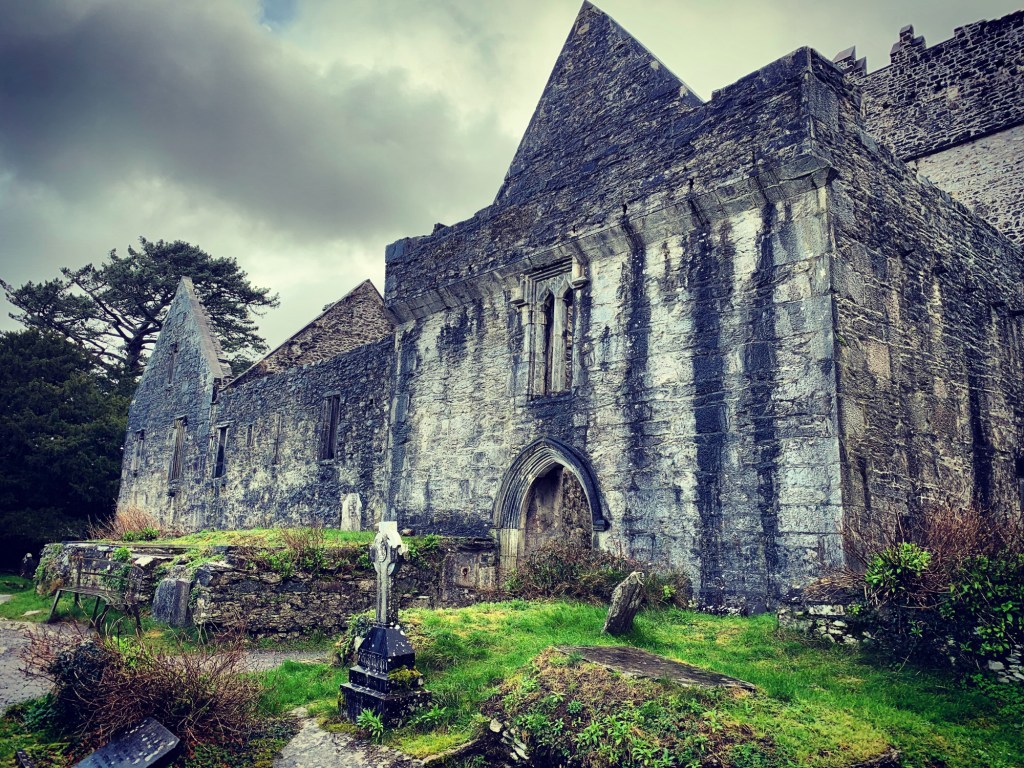
Of all the possible Irish influences on Bram Stoker’s imagination, one of the most extraordinary leads us away from Dublin to the haunting beauty of Killarney in County Kerry.
Among the ancient woodlands of what is now Killarney National Park stand the ruins of Muckross Abbey. Founded in the fifteenth century, the Franciscan friary possesses everything one could wish for in a Gothic setting.
Weathered stone arches, an ancient cloister, a graveyard filled with centuries of burials and a magnificent yew tree standing within the central courtyard. It is a place where the boundary between the living and the dead seems unusually thin.
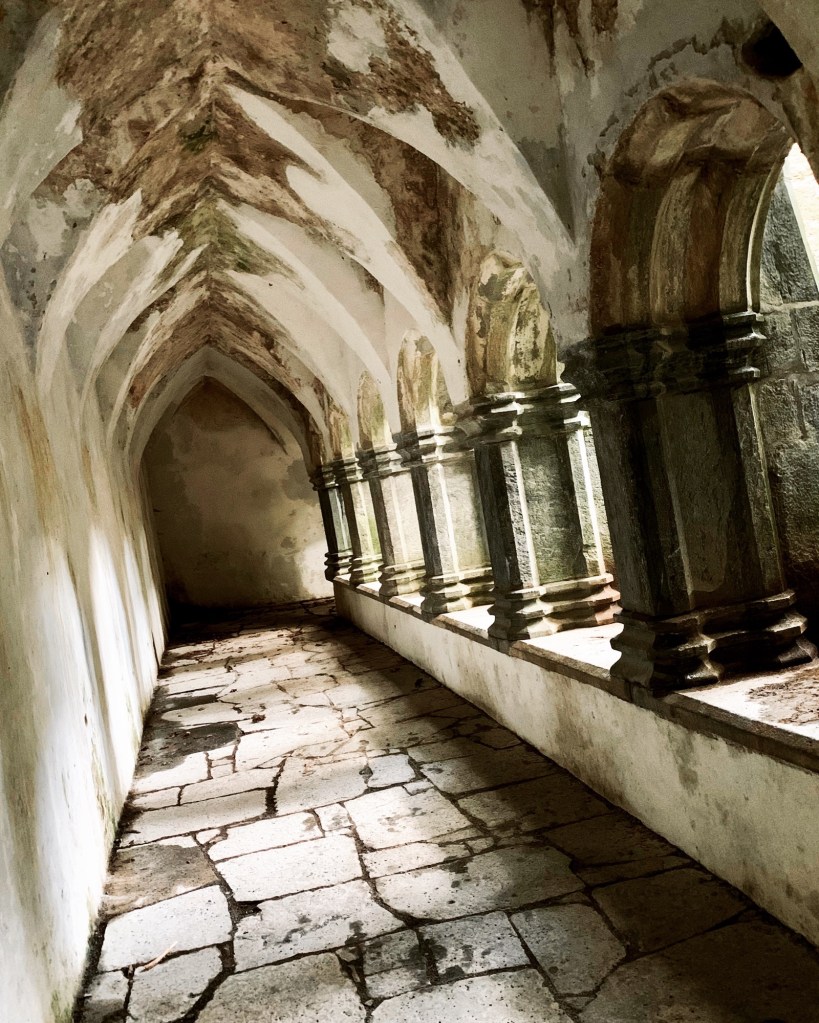
And during the eighteenth century, a mysterious man known as John Drake, made the abandoned abbey his home. Drake was described as an educated, refined individual who appeared to have deliberately withdrawn from ordinary society. His origins and reasons for living in the deserted religious building remained something of a mystery.
Most extraordinary of all was his sleeping arrangement. According to local historical accounts, Drake constructed a bed from old coffin boards and slept in a recess beside the abbey’s fireplace. Over time, the story evolved into the more sensational image of a solitary hermit sleeping inside a coffin.
There is something deeply unsettling about the thought of a living man choosing to sleep surrounded by the materials of the dead. It is little wonder that the tale has become associated with Bram Stoker.
Stoker is traditionally said to have visited Killarney, and speculation has long suggested that the story of John Drake may have reached him during his Irish travels.
Could the image of a man sleeping among coffin boards have contributed to the creation of Count Dracula, who rested within his coffin by day and emerged after darkness? It is a wonderfully atmospheric possibility.
Indeed, the distinction between a coffin and a bed constructed from coffin boards is important, even if the latter is scarcely less macabre. There is another tale associated with the abbey that is equally disturbing.
The legend of the Brown Man tells of a newly married woman who searched for her missing husband, only to discover him kneeling over an exhumed corpse and feeding upon its flesh.
The account belongs to the realm of local folklore, but its themes of grave violation, unnatural appetite and the horrifying transformation of someone familiar are unmistakably Gothic. Whether Stoker encountered either story remains uncertain, yet both demonstrate something fascinating about Ireland’s supernatural heritage.
Long before Dracula was published, Irish folklore was already populated by creatures and individuals who challenged the natural boundaries between life, death and the grave.
The Irish Undead – Dracula Was Not Our First Vampire
Ireland had its own traditions of the restless dead centuries before Bram Stoker introduced the world to Count Dracula. Among the most intriguing is the legend of Abhartach, a tyrannical figure associated with County Derry.
According to versions of the tale recorded in the nineteenth century, Abhartach was buried but repeatedly returned from his grave, demanding blood from those who had once lived under his authority. Only through particular burial rituals could the revenant finally be restrained.
Then there is the Dearg Due, the Red Bloodsucker of Irish folklore, traditionally portrayed as a woman who returns from death to prey upon the living. These stories share familiar elements with later vampire fiction: the returning corpse, the consumption of blood and the need to prevent the dead from rising again.
The possibility that such traditions influenced Stoker has attracted considerable attention. There is, however, no conclusive evidence that he consciously based Dracula upon Abhartach or the Dearg Due.
What these legends establish is that Ireland already possessed a rich tradition of supernatural beings who refused to remain peacefully in their graves. The vampire was not an entirely foreign concept waiting to be imported from Eastern Europe. Its relatives had been lurking in Irish storytelling for generations.
Florence Balcombe, Oscar Wilde and a New Life in London
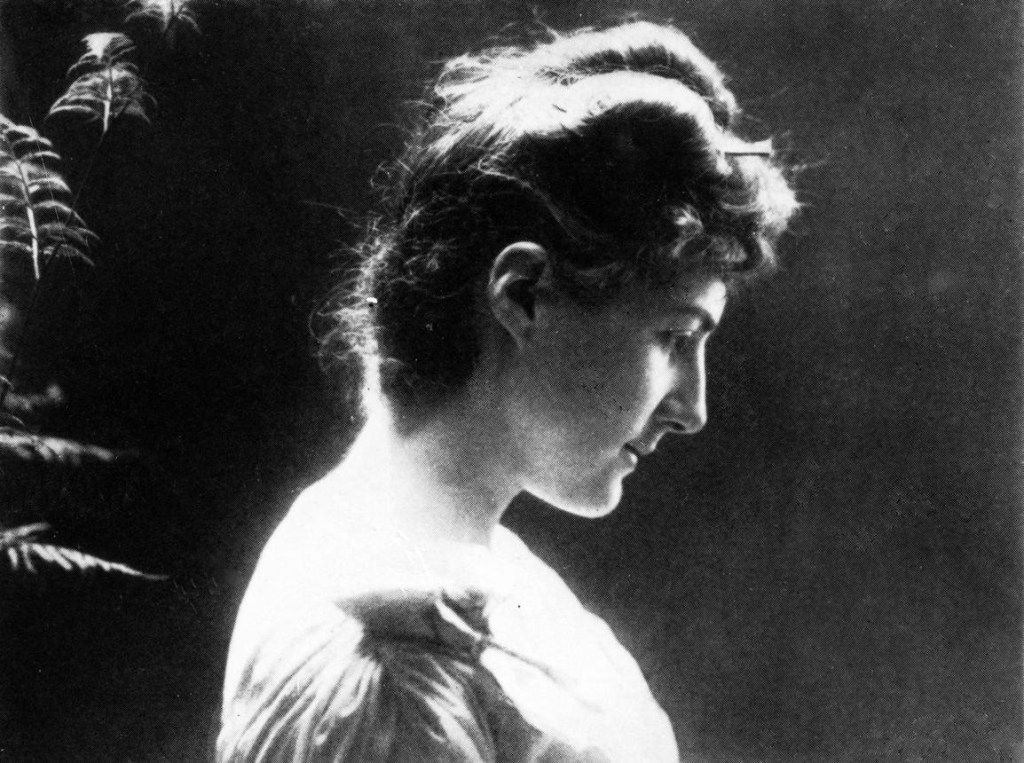
Florence Balcombe, wife of Bram Stoker, photographed in 1880. Public domain, Wikimedia Commons.
In December 1878, Bram Stoker’s life changed dramatically. On 4 December, he married Florence Balcombe at St Ann’s Church on Dawson Street in Dublin. Florence was a celebrated beauty who had previously attracted the romantic attention of another young Irish literary figure, Oscar Wilde.
Indeed, Wilde had been sufficiently enamoured of Florence to give her a small gold cross, which he later requested be returned. It is an intriguing intersection of two of Ireland’s most famous literary lives.
Within days of their wedding, Bram and Florence departed for London. Stoker had accepted a position working for the celebrated actor Henry Irving at the Lyceum Theatre, beginning an association that would dominate the next twenty-seven years of his life.
The couple’s only child, Irving Noel Thornley Stoker, was born on 30 December 1879. Although Stoker would spend much of his adult life in England, the influence of his Irish upbringing remained part of his intellectual and imaginative world.
The child who had listened to his mother’s stories of death was now moving among some of the most influential theatrical and literary figures of Victorian society. It seems one of those figures may have provided a rather unexpected ingredient for his future vampire.
Was Henry IrvingThe Man Behind the Count?
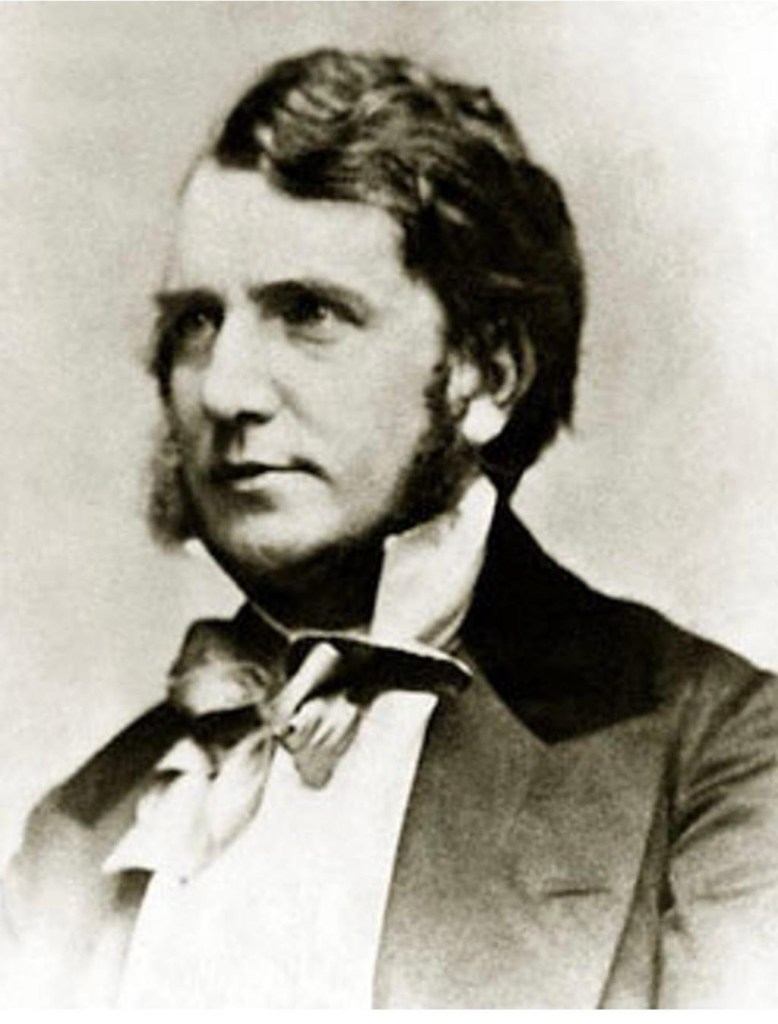
Sir Henry Irving, the celebrated Victorian actor and Bram Stoker’s employer. Photograph by Herbert Rose Barraud. Public domain, Wikimedia Commons.
Henry Irving was no ordinary actor. He was a commanding theatrical personality, renowned for his dramatic performances, distinctive physical presence and extraordinary ability to hold an audience’s attention.
Bram admired him enormously and their professional relationship was intense. Stoker managed the complicated business of the Lyceum Theatre, arranging tours, overseeing correspondence and dealing with the demands of a celebrated Victorian star.
Irving’s influence upon Stoker’s life was certainly profound, but could he also have influenced Dracula? Some biographers and literary critics have suggested that aspects of the Count’s aristocratic manner, hypnotic authority and commanding presence may owe something to Irving.
The comparison is certainly intriguing, as Dracula is not simply a monster who attacks from the shadows. He is an enigmatic actor, controlling his surroundings, manipulating those who enter his domain and possesses an unnerving ability to dominate a room.
There is a theatrical quality to his entrances, his gestures and his carefully maintained appearance of nobility. It would be fitting if the man who spent decades managing one of Britain’s greatest actors had incorporated something of the stage into his most famous creation. That said, the theory remains an interpretation rather than an established fact.
Nevertheless, the world of the Lyceum provided Stoker with an intimate understanding of spectacle, suspense and the power of a carefully constructed character. All qualities that Dracula possesses in abundance.
Whitby, a Shipwreck and the Name Dracula
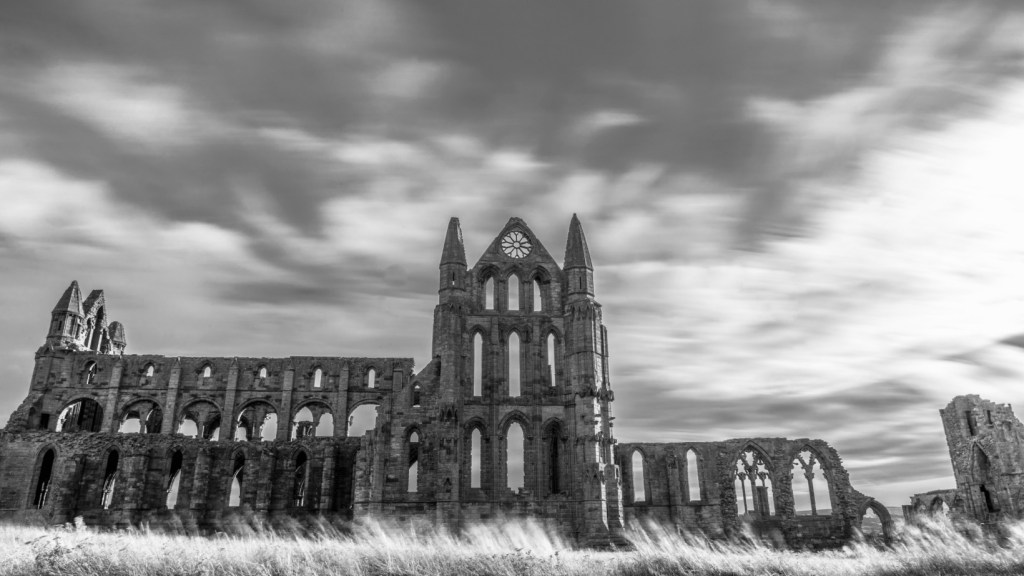
By 1890, Bram Stoker had begun assembling the notes that would eventually become his masterpiece. That summer, he travelled to Whitby, the historic Yorkshire seaside town that would become one of the novel’s most memorable locations.
Whitby offered a landscape worthy of Gothic fiction. The ruins of its medieval abbey stood high above the harbour, overlooking the North Sea. A steep churchyard, ancient gravestones and the ever-changing coastal weather provided a wonderfully sinister backdrop. Stoker explored the town and researched local history.
He encountered accounts of a shipwreck associated with the Russian vessel Dmitry, which had been driven ashore in 1885. The incident has often been linked to the fictional arrival of the Demeter, the doomed vessel that carries Dracula to England.
In the novel, the ship reaches Whitby with its crew mysteriously missing or dead, and a great dog leaps ashore before disappearing into the darkness. It is one of the most atmospheric sequences in vampire literature.
Building a Castle in a Country He Never Visited
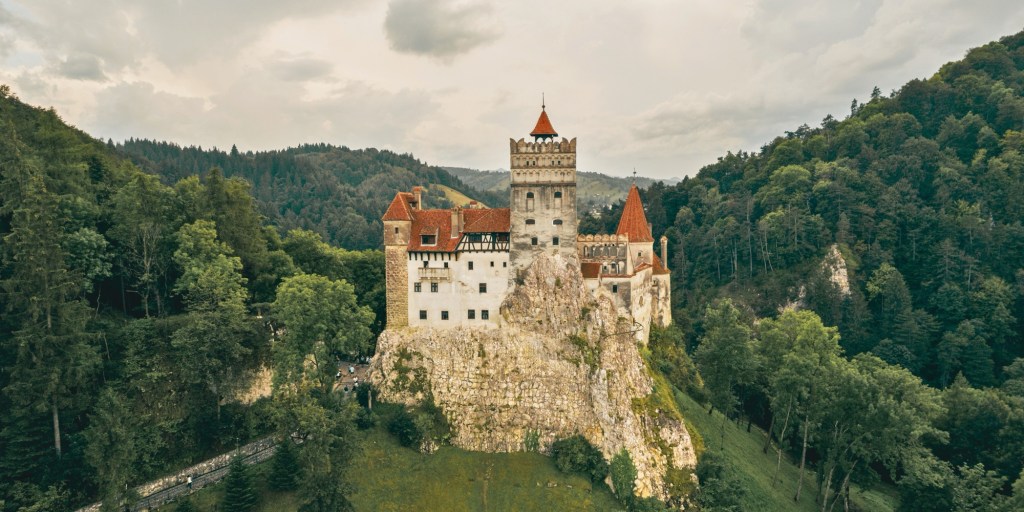
One of the great ironies of Dracula is that Bram Stoker never visited Transylvania. Instead, he constructed his fictional landscape through books, maps, travel accounts and folklore.
He studied material concerning the Carpathian Mountains, regional customs and supernatural beliefs. Among his sources were the writings of Emily Gerard, whose accounts of Transylvanian superstition provided valuable material for his developing story.
Stoker was particularly fascinated by beliefs surrounding vampires, wolves, the evil eye and the uneasy relationship between Christian rituals and older supernatural traditions. His surviving working notes demonstrate just how methodically he approached the project.
Characters were developed, timelines assembled and geographical details researched. Bram was creating a fictional world that needed to feel authentic enough for readers to believe the impossible.
Other landscapes also entered the imaginative mixture. Whitby’s dramatic coastline became part of the novel itself, while the ruined Slains Castle near Cruden Bay in Scotland has been proposed as one possible architectural influence upon Castle Dracula.
As with the Irish stories, it is difficult to identify any single location as the definitive inspiration. Instead, the Count’s world emerged from a combination of places Stoker knew, places he researched and places that existed only in his imagination.
From Irish graveyards to Scottish castles, from the Yorkshire coast to the mountains of Eastern Europe, the ingredients were slowly coming together. And at their centre stood a creature that embodied some of humanity’s oldest fears.
Death, disease, corruption of the body, grave violation and the horrific possibility that the dead might return.
26 May 1897 – Dracula Emerges from the Shadows
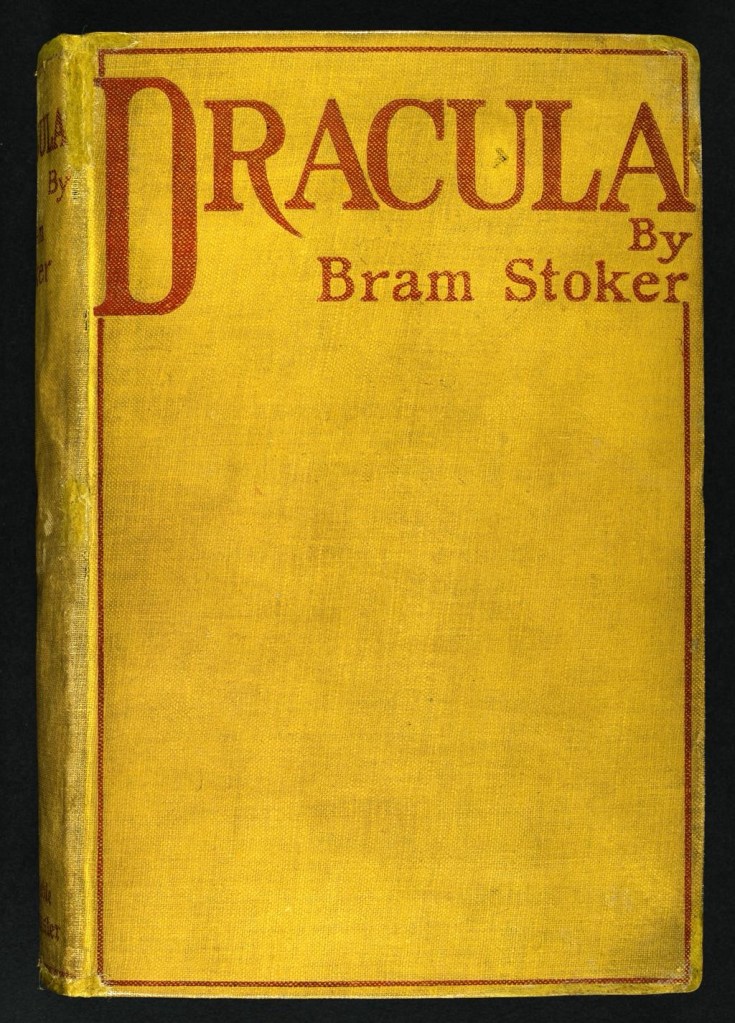
The original 1897 first-edition cover of Bram Stoker’s Dracula, published by Archibald Constable and Company. Public domain, via Wikimedia Commons.
On 26 May 1897, Bram Stoker’s ‘Dracula’ was published in London by Archibald Constable and Company when he was forty-nine years old.
The novel was presented through a collection of letters, diaries, newspaper reports and other documents, allowing readers to piece together the unfolding horror. It was a remarkably effective approach, appearing as an accumulation of evidence, drawing the reader into the unsettling possibility that the events described might actually have occurred.
At its centre stood Count Dracula. An ancient aristocrat who travelled from his remote Transylvanian castle to England, bringing with him a supernatural contagion that threatened to destroy those unfortunate enough to encounter him.
The Count was monstrous, yet intelligent, ancient, yet capable of adapting to the modern world. Dracula was a creature of superstition invading an age increasingly defined by science, medicine and technology.
And beneath the Gothic spectacle lay themes that had accompanied Stoker throughout his life.
It is difficult not to think again of the sickly boy in Clontarf and his mother’s memories of cholera-ravaged Sligo. Or to consider Sheridan Le Fanu’s seductive vampire, the coffin boards of Muckross Abbey and the ancient Irish legends of the restless dead.
Together they reveal the extraordinary collection of influences and possibilities that surrounded the man who created him. The novel received considerable critical attention upon publication, although its transformation into a worldwide cultural phenomenon would take time.
The Death of Bram Stoker and the Immortality of Dracula
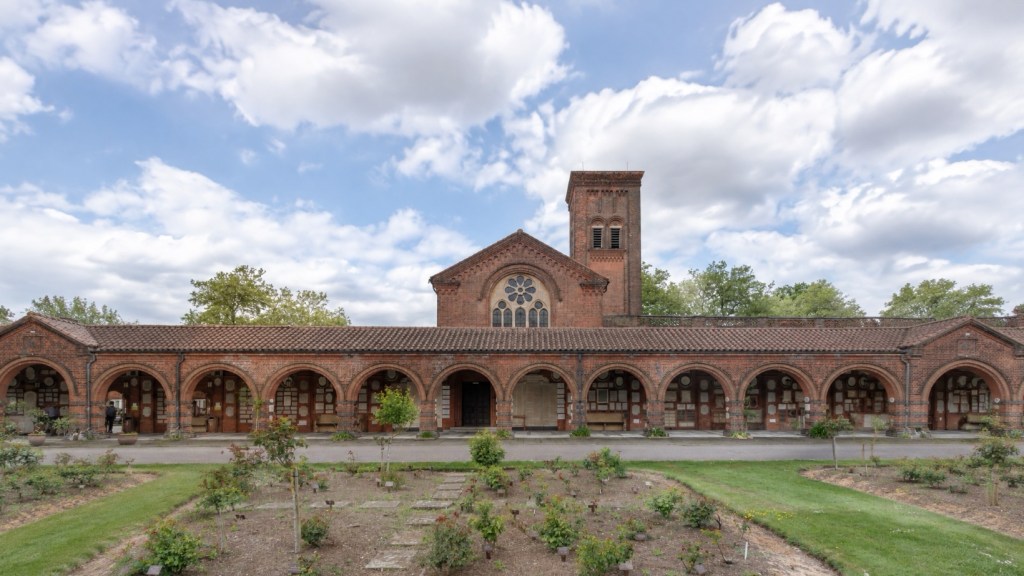
Bram Stoker died in London on 20 April 1912, aged sixty-four, following a period of declining health. He was cremated and his ashes were placed at Golders Green Crematorium. Unlike his most famous creation, Stoker would not rise from the grave.
Despite this, he achieved the very immortality he had imagined as Dracula continued to live. The novel inspired theatrical productions, films, television adaptations and countless literary reinventions. The Count became a cultural phenomenon far beyond anything his creator could have anticipated.
Yet for all the castles, capes and cinematic fangs, Dracula’s origins remain inseparable from the Irishman who imagined him.
The Irish Heart of Dracula
Today, the name Dracula is recognised across the world. Ask someone to picture the Count, and they will almost certainly imagine a dark castle somewhere in the mountains of Transylvania.
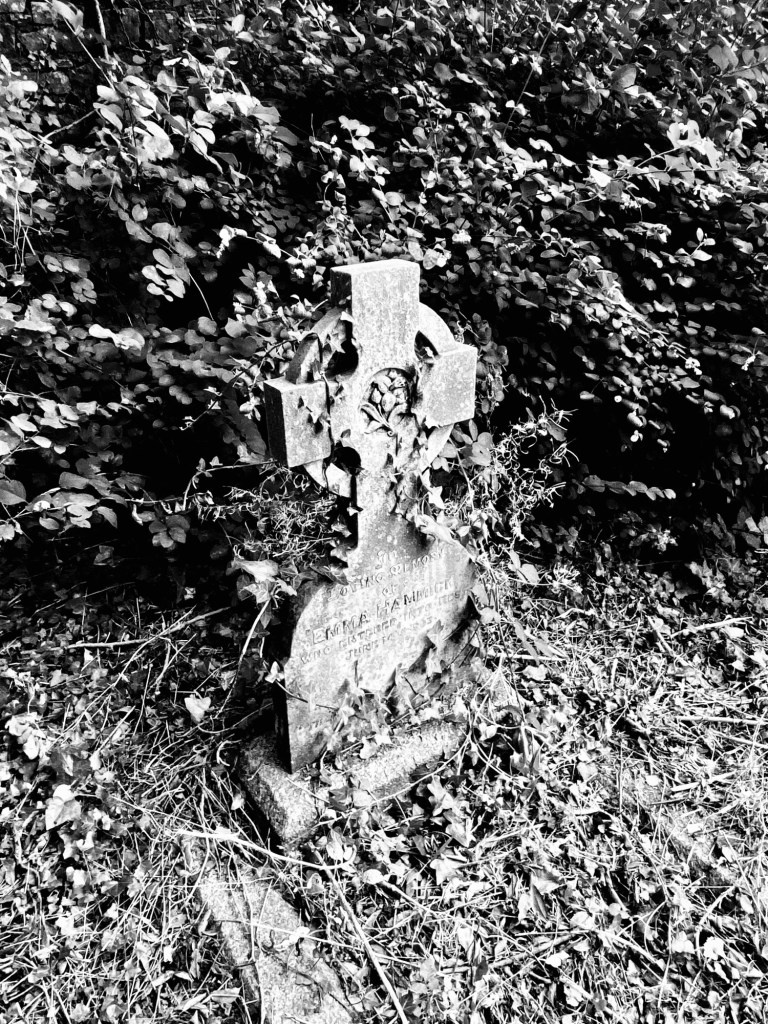
They may think of bats, wolves, blood-red eyes and a coffin concealed deep within an ancient crypt. Few will immediately think of a Georgian house overlooking Dublin Bay, or a ruined churchyard in Clontarf. Nor will they recall a mother from Sligo whose childhood memories were filled with disease and the horror of premature burial.
They may not imagine a diligent civil servant working within Dublin Castle, a young theatre critic immersed in the literary world of Sheridan Le Fanu, or the strange tale of a solitary man sleeping upon coffin boards in a ruined Kerry abbey.
Dracula was never simply the product of one legend, one place or one moment of inspiration. He emerged from a lifetime of observation, research, imagination and the darker stories that humanity has always told about itself.
Ireland did not provide every ingredient, but it provided the childhood, the folklore, the literary environment and some of the most compelling possible influences upon the man who would transform the vampire forever.
And perhaps that is the most delicious irony of all. The world’s most famous Transylvanian was created by a Dublin man.
Happy birthday, Bram Stoker.
Further Reading from Dark Emerald Tales and Spooky Isles
- 10 Bram Stoker Dublin Must-See Locations – Ann Massey McElroy, Spooky Isles (2020). A journey through the Dublin locations associated with Stoker’s life, including Marino Crescent, St John the Baptist Church, Trinity College, Marsh’s Library and Dublin Castle.
https://www.spookyisles.com/bram-stoker-dublin-dracula/ - On the Trail of the Irish Vampire – Dark Emerald Tales (2017). Exploring Ireland’s vampire traditions, folklore and possible connections to Bram Stoker’s greatest creation.
https://darkemeraldtales.com/2017/04/22/on-the-trail-of-the-irish-vampire/
Sources & Further Reading
Bram Stoker Estate
Ann Massey McElroy, Spooky Isles
Dark Emerald Tales
Dr Marion McGarry, Journal of Medical Humanities
Marsh’s Library, Dublin
Killarney Advertiser
Joseph Sheridan Le Fanu
Bram Stoker

